The 50/30/20 Budgeting Rule
The gold standard framework for balancing essential living expenses, personal lifestyle choices, and future wealth acceleration.
Essential Needs
Fixed obligations required for survival and baseline functionality. Keeping needs capped at 50% guarantees financial flexibility.
- Housing & Rent
- Utilities & Electricity
- Baseline Groceries
- Insurance & Healthcare
Lifestyle Wants
Discretionary spending that enhances quality of life. Conscious spending allows enjoyment without triggering budget deficit.
- Vacations & Travel
- Dining Out & Media
- Fitness & Hobbies
- Non-essential Upgrades
Savings & Investments
The non-negotiable allocation dedicated to purchasing assets, building liquid cash reserves, and compounding wealth.
- Emergency Reserve Fund
- Stock Index Portfolios
- IRA & 401(k) Retirement
- Accelerated Debt Payoff
Tax-Advantaged Accounts Matrix
Understand how leveraging government-backed tax shelters compounds your long-term wealth faster.
Roth IRA
After-tax contributions that grow 100% tax-free with zero tax on retirement withdrawals.
$7,000 / Yr LimitTraditional IRA
Pre-tax contributions reducing current taxable income, taxed upon withdrawal.
Pre-Tax ShelterEmployer 401(k)
Corporate sponsored plan with matching contributions (free employer money).
$23,000 / Yr LimitHealth Savings Account
The triple tax-advantaged account for qualified healthcare expenses and retirement.
Triple Tax AdvantageThe Automated Cash Flow Flowchart
Remove human error and discipline fatigue by wiring your monthly income directly into wealth buckets on payday.
1. Direct Deposit Hub
100% of paycheck lands inside primary central checking account.
2. Auto-Transfer 20%
Day 1 auto-transfer routes 20% to HYSA and Index Brokerage before spending.
3. Auto-Pay Fixed Bills
Rent, utilities, and debt minimums auto-cleared, protecting credit score.
4. Guilt-Free Spending
Remaining 30% spent freely without stress or budget guilt.
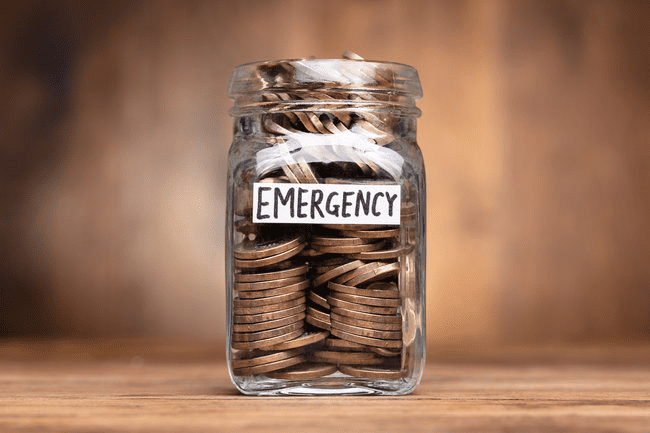
Building an Unshakeable Emergency Reserve
An emergency fund is your financial shield against unexpected job disruptions, medical surprises, or market corrections. Without liquid reserves, investors are forced to liquidate equity assets at market bottoms.
Calculate 3 to 6 Months Expenses
Sum your essential monthly obligations (housing, food, debt minimums) and multiply by 3 to 6 depending on income stability.
Utilize High-Yield Savings Accounts (HYSA)
Store your reserve in FDIC-insured liquid accounts earning top-tier competitive interest while retaining instant availability.
Automate Monthly Contributions
Set up automatic direct deposit transfers on payday so your emergency buffer grows effortlessly before spending occurs.
FICO Credit Score Optimization Blueprint
Master the 5 components that determine your borrowing interest rates and mortgage qualifications.
Payment History
Zero late payments. Set up automatic minimum payments for safety.
Credit Utilization
Keep total balances below 10% of overall credit limit.
Length of History
Keep your oldest credit card accounts open permanently.
Credit Mix
Healthy combination of revolving cards and installment loans.
New Credit Enquiries
Minimize hard credit inquiries within a 12-month window.
Snowball vs. Avalanche Debt Method
High-interest consumer debt destroys compounding returns. Select the optimal repayment strategy for your psychology and balance sheet.
The Debt Snowball Method
Pay minimum balances on all debts while directing maximum surplus cash toward the smallest total balance regardless of interest rate. Once cleared, roll the payment into the next smallest balance.
Psychological momentum and quick emotional victories early in the payoff journey.
The Debt Avalanche Method
Pay minimums on all debts while aggressively targeting the debt with the highest Annual Percentage Rate (APR). After eliminating the highest APR balance, tackle the second highest interest debt.
Mathematically pure interest minimization and total dollars saved over time.
Common Money Hazards & How to Avoid Them
Protect your household wealth against insidious wealth-eroding financial traps.
Lifestyle Creep
Increasing spending proportionally every time your salary increases. Solve this by banking 50% of every promotion automatically into investments.
Carrying Credit Balances
Paying 24% APR interest on consumer purchases destroys investment growth. Always clear credit cards in full every statement cycle.
Under-Insuring Assets
Lacking adequate term life, disability, or umbrella liability coverage exposes your net worth to catastrophic lawsuits.
The Master Financial Order of Operations
Follow this sequence to ensure every earned dollar provides maximum leverage for your net worth.
Establish Starter Emergency Fund
Save an initial $1,000 to $2,000 immediately to handle minor unexpected hiccups without accumulating new credit card balance.
Capture Full Employer Match
Contribute enough to your employer 401(k) or pension to claim the full corporate match. This represents an instant 100% risk-free return on capital.
Eradicate High-Interest Liabilities
Eliminate all toxic consumer liabilities charging interest rates above 7% (credit cards, payday loans, high-APR personal loans).
Complete 3-6 Month Fully Funded Reserve
Expand your initial emergency fund into a robust 3 to 6 month high-yield savings buffer to shield your lifestyle.
Max Tax-Advantaged Investment Accounts
Fill Roth IRAs, Traditional IRAs, and Health Savings Accounts (HSAs) to leverage compound growth immune from annual dividend taxation.